


Mastering the Art of Underwater Photography: Lighting Tricks
Underwater photography is a fascinating and challenging genre that requires a unique set of skills and techniques to capture stunning images beneath the surface. One of the key elements to master in underwater photography is lighting. Proper lighting can make a significant difference in the quality of your underwater shots, enhancing colors, details, and overall impact. In this guide, we will explore some lighting tricks to help you elevate your underwater photography game.
1. Use Natural Light Wisely
One of the most important aspects of underwater photography is understanding how natural light behaves underwater. Different colors of light are absorbed at different depths, affecting the overall color balance of your images. To make the most of natural light, try shooting in clear, shallow waters where sunlight can penetrate easily. Additionally, consider the time of day – early mornings and late afternoons often provide softer, more flattering light.
2. Add Artificial Light Sources
While natural light can create beautiful effects, adding artificial light sources such as strobes or continuous lights can help illuminate your subjects and fill in shadows. Position your lights strategically to avoid harsh shadows and create a balanced look. Experiment with different angles and intensities to achieve the desired lighting effect.
3. Mind the Background
Pay attention to the background of your underwater shots, as it can significantly impact the overall composition of your images. Avoid cluttered backgrounds that may distract from your main subject. Position yourself to ensure that the background complements your subject and enhances the visual appeal of the photo.
4. Get Creative with Light Filters
Light filters can be a fun and creative tool to enhance the colors and mood of your underwater photos. Experiment with colored filters to add warmth or coolness to your images, or try using diffusion filters to create a soft, dreamy effect. Be mindful of how different filters interact with natural and artificial light to achieve the desired look.
5. Practice Underwater Lighting Techniques
Mastering underwater lighting techniques takes practice and patience. Experiment with different lighting setups, angles, and settings to understand how light interacts with water and underwater subjects. Take the time to review your images, adjust your lighting approach, and learn from each shoot to improve your skills over time.
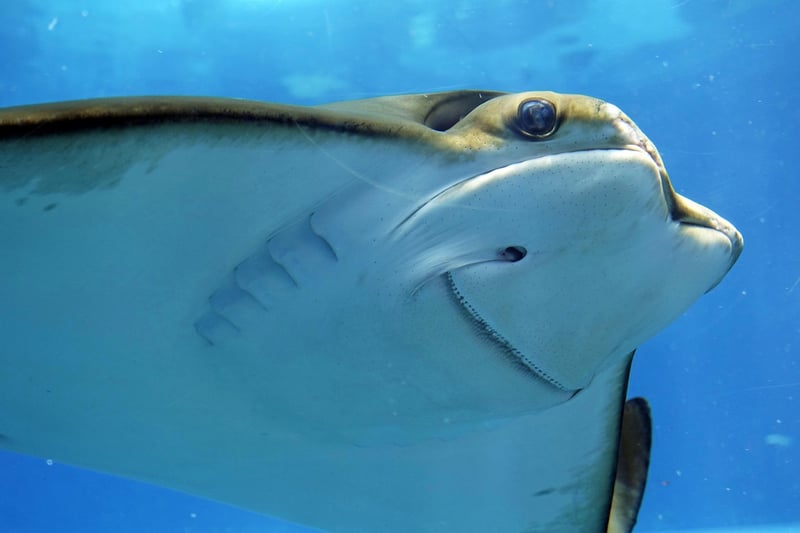
By incorporating these lighting tricks into your underwater photography workflow and practicing regularly, you can elevate your skills and capture breathtaking underwater shots that stand out. Remember, mastering underwater photography is a journey, so enjoy the process and keep refining your techniques to achieve stunning results.
Happy shooting!